Par stock
Under-buying linen is the most expensive saving in hospitality. Here is the 3-par rule, the tropical wash math behind it, and a worked shopping list for a 4-bedroom villa.
6 min read · 2026-09-10
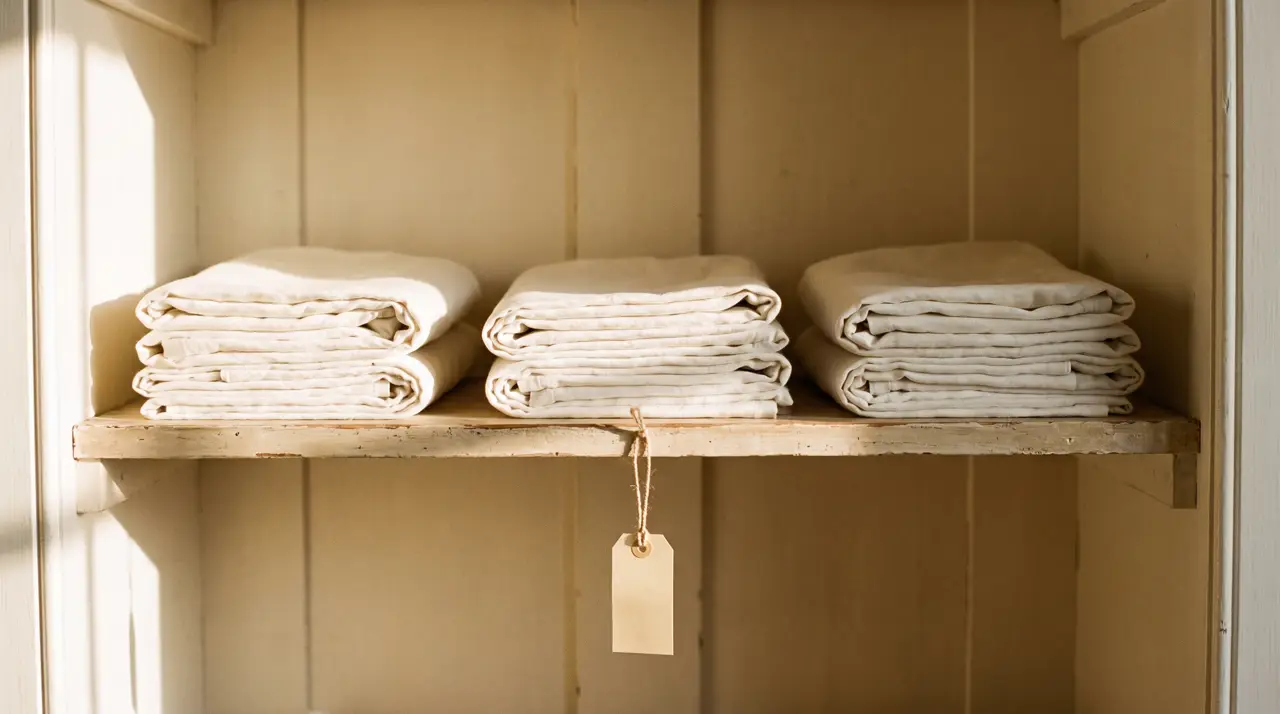
Ask ten villa owners how much linen they own and most will answer in vague multiples of beds. Ask their housekeepers and you hear the truth: on changeover days there is never enough. Par stock turns that panic into arithmetic. One par is one complete change of linen for the whole property; the question is how many pars you need on the shelf.
The hospitality standard is 3 par per bed: one set on the bed, one in the laundry, one resting on the shelf. On Bali the rhythm is faster than in most markets - with short stays and tropical sweat, a sheet set cycles through the wash two to three times a week. At that frequency, 2 par means the clean set goes straight from the dryer onto the bed, every time, with zero margin for a delayed laundry pickup or a mid-stay spill.
The wash frequency itself is the variable most owners underestimate. A home sheet sees the machine once a week; a villa sheet on Bali sees it with every changeover plus any mid-stay refresh, which at typical occupancy means 100-150 industrial washes a year across the rotation. Commercial laundries run hotter and harsher than any domestic machine, and the laundry chemistry that keeps whites white is exactly what grinds down fabric that was never specified for it.
The third par is not idle stock, it is fabric maintenance. Cotton that rests between washes recovers its fibre structure, and the rest cycle extends usable fabric life by roughly a third. Under-bought linen is always the most expensive kind: you buy 2 par, wash it to death, and repurchase the category a year early.
Take a 4-bedroom villa sleeping 8 guests, the most common configuration we supply in Canggu and Uluwatu. The full linen order looks like this:
| Item | Rule | Quantity |
|---|---|---|
| Bed linen sets | 4 beds x 3 par | 12 sets |
| Bath towels | 8 guests x 3 | 24 pcs |
| Hand towels | 8 guests x 3 | 24 pcs |
| Face towels | 8 guests x 3 | 24 pcs |
| Pool towels | 8 guests x 2 | 16 pcs |
| Bath mats | 4 bathrooms x 3 | 12 pcs |
| Robes | 8 guests + 4 spares | 12 pcs |
Pool towels run at 2 par because they rotate slower and dry fast in the sun; robes carry spares instead of a full par because not every guest uses one. Per our price list, a sateen bed set runs IDR 0.75-2.2 juta per key equivalent and bath towels IDR 85,000-190,000 per piece, so the whole table above is a predictable, one-time number - the configurator calculates it per key in seconds.
The cheapest way to own linen is to buy the full par once, from one mill run, so every replacement matches. Mixing batches bought a year apart is how villas end up with four shades of white on one bed.
The same arithmetic drives our stocked range of hotel linen: fabrics are specified for 150+ industrial washes precisely because 3 par at Bali wash frequency means each set sees 50-70 washes a year. Cheap retail fabric fails that schedule in one quarter.
Only with on-site laundry, one unit, and a manager who enjoys living dangerously. One machine breakdown during a full house and the model collapses.
Yes - a distinct colour or stripe stops them migrating into bathrooms, makes counting easy, and hides sunscreen better than white ever will.
Good hotel fabric on a 3-par rotation typically serves 2-3 years on Bali turnover before whites retire to the spa and staff areas.
Keep reading

Everything a new villa needs before the first guest: room-by-room quantities, budget tiers and the order-by dates that save the launch.
View →
Why home mattresses fail in the tropics, how to pick firmness for international guests, and the protector rule that saves the investment.
View →
Small plastic water bottles are banned, minis are on the way out. What the rules say, what inspectors check, and the refill migration plan that pays for itself.
View →Questions?
Tell us about the property - we reply with a stock list, unit prices and delivery dates.